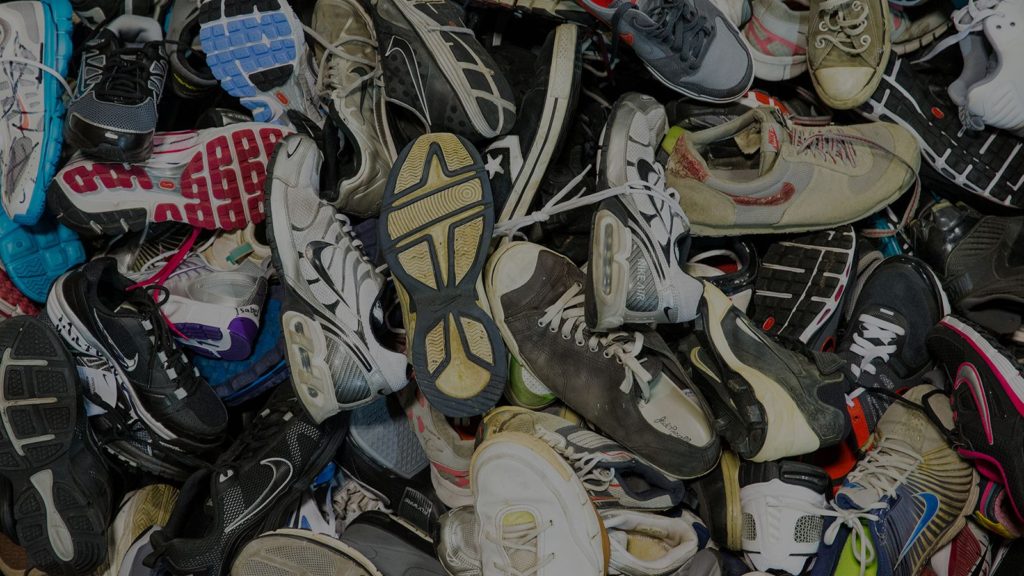
Shoes are a massive global industry. As many as 25 billion shoes are sold each year, which is a massive number. All of these shoes must be produced obviously, and obviously every one of those shoes needs to be made out of some material. And once these billions of shoes are worn out, they must be disposed of, which leads to over 600 million shoes being dumped into landfills annually, where they can take decades to break down. This is a huge problem facing the environment, however, the main issue with shoes regarding climate change is not one you would typically think about.
According to an MIT study (link at bottom) every shoe “can contain 65 discrete parts that require 360 processing steps for assembly.” This means the manufacturing process for these shoes is intensely intricate and complicated. Each one of those 65 parts needs to be produced and attached to the shoe individually, with each part meaning more time, energy, and another processing step. It is the same for the 360 processing steps, every step added means more time and most importantly energy used, and perhaps more tools needed, and the result is a long and complicated process that produces a lot of carbon emissions. For comparison, an iPhone takes about 400 processing steps to produce. A single shoe takes almost as many processing steps to produce as a incredibly powerful computer that can fit in your pocket, that can make calls, browse the internet, play games, take incredible photos, and much more. A single shoe takes almost as many steps to produce as a complicated piece of technology that does basically anything you need it to, it’s absurd. 97% of the environmental impact of a shoe happens before they even make it to the store. 68% of that is the manufacturing process alone, and the other 27% is the gathering of materials. The carbon footprint of a single pair of shoes is roughly 14 kg CO2. Multiply that by the roughly 12.5 billion shoes sold each year and the result is a massive amount of carbon emissions.
The manufacturing of the shoes is contracted out to manufacturers in less developed economies with less strict emission rules and less strict rules in general that lead to cheaper manufacturing costs. These manufacturers care little about emissions and carbon footprint and focus only on producing the cheapest and fastest possible. The MIT study suggests this is one of the main issues with shoes’ impact on the environment. Looking at ways to streamline the manufacturing process, with less steps, less parts, and less materials could be the key to reducing the Carbon emissions from shoes. Probably the biggest impact on the environment comes from the energy used when manufacturing the shoes, so looking at energy sources that hurt the environment less could prove key. Also trying to use less materials and materials that are easier to procure, creating simpler shoes with less individual parts, and generally just trying to simplify the whole process of producing shoes could be hugely beneficial to the environment.
Obviously, the ones who must change this are the companies making the shoes, so how are the biggest shoe producers responding to this environmental crisis the world is faced with today? Next blog we will find the answer as we look at Nike and Adidas’ response to climate change.
As for what you can do to limit this impact? The biggest thing is trying to limit the amount of shoes you buy. Perhaps focus on trying to buy shoes you really need instead of shoes you want or shoes just for fashion. Trying to make old shoes last longer is another key to this. If you take good care of your shoes they can last a much longer time which mitigates the need to buy new ones. The final aspect is what you do when you are done with a pair of shoes. Instead of throwing them out find someone in need or an organization that takes clothing donations and donate them, there are many people out there who could use a pair of shoes. Yes, the main change to benefit the environment will have to come from the shoe companies, but if everyone follows these steps it could make an important impact.
MIT Study: https://dspace.mit.edu/handle/1721.1/102070
 Walking Over Climate Change