As I talked about last week, the shoe industry is having a big impact on climate change. Gathering the materials, the actual making of the shoes in factories, and the disposal of shoes all have negative impacts on the environment. For this blog, we will look at how the two biggest sneaker companies in the world, Adidas and Nike, have each responded to the growing concerns of climate change and what they are doing to mitigate their impact. Seeing the biggest companies making changes will have the biggest impact on the environment as they make the most shoes, and it will hopefully also set an example for other companies to do the same. If smaller companies see Nike and Adidas making changes to help fight climate change, it will hopefully encourage them to do the same. This is not something they have to do, they could easily still make money by not making changes to help the environment, so hopefully by seeing the two biggest companies make that choice other companies will follow.
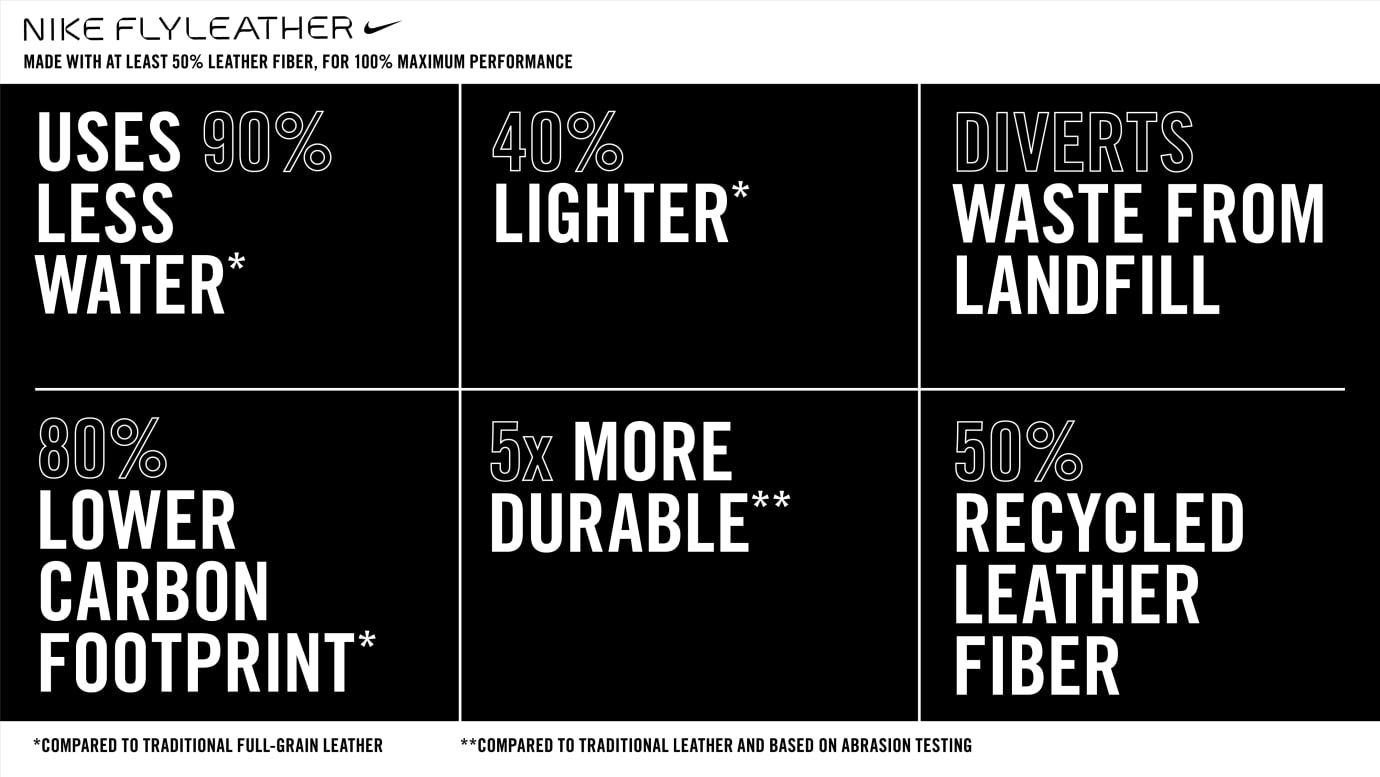
First off is Nike, the biggest producer of sneakers in the world. Nike has done a lot in response to climate change and seems to take it pretty seriously. First they joined both the UN Climate Charter and the Fashion Industry Charter for Climate Action. Nike has initiated their “Move to Zero” campaign, supposedly a hopeful movement towards zero carbon and zero waste. The tagline behind this campaign is “if there is no planet, there is no sport,” essentially looking at it from the view that their company and business doesn’t matter if the world is destroyed by climate change. Their goals of the movement are to have all Nike owned facilities powered by 100 percent renewable energy by 2025. While this is a good step, this is not as big as it may seem, as most of the supply chain for Nike isn’t actually owned by Nike and most of the emissions don’t come from Nike owned facilities. Nike has touched on this, however, as their second goal is to across their global supply change by 30 percent by 2030. With this they are following the guidelines of the Paris agreement. This is probably their most important goal in terms of climate change. Their next goal is to divert 99 percent of all footwear manufacturing waste away from landfills, instead trying to recycle material to make running tracks and courts among other things. This is one specifically addressing sneaker manufacturing and being able to recycle 99 percent of the waste is obviously a beneficial step. They are also trying to recycle old shoes for the same purpose, again reducing the amount of stuff going to landfills and the impact of shoes on the environment. Finally, Nike has started using recycled materials to create their shoes. They have started creating their flyknit material, used on many Nike sneakers, from recycled plastic bottles. They claim to divert one billion plastic bottles per year from landfills to be used in making products. This is a really interesting and beneficial technique, as it not only helps eliminate plastic waste, but reduces the carbon footprint from procuring materials that would have been used otherwise. These recycled materials are big in the Shoe industry, as Nike has also created a recycled leather that is much better for the environment than traditional leather.
Adidas has also joined in on the use of recycled materials. Adidas teamed with Parley for the Oceans, a nonprofit organization focused on eliminating plastic waste from the ocean, to create their Parley line of sneakers, which, similar to Nike, are created by using recycled plastic waste from the ocean. They also support Parley in their education programs and raising awareness. Similar to Nike’s “Move to Zero,” Adidas have given their response to Climate Change a short name calling it “End Plastic Waste.” This movement is not just about plastic waste, however. In 2020, 50% of all polyester Adidas uses is from recycled material, by 2024, they hope to increase that to 100%. Similar to Nike, they chosen to follow the Paris Climate Agreement and by 2030 will reduce all emissions by 30 percent. By 2050, they hope to achieve climate neutrality. One of their methods is creating the “three loop strategy.” One is the “recycled loop”, creating products from recycled materials. The second is the “circular loop”, creating products that are made to be easily recyclable and turned into new products. The final is the “bionic loop”, creating products that are biodegradable and not harmful to nature when disposed.

Nike and Adidas both have responded pretty strongly to climate change. They also both have responded pretty similarly. Both have moved towards recycled materials, both have committed to reducing carbon emissions and agreed to the Paris agreement, and both have a hope of eventually being climate neutral. Both of the biggest companies in the shoe industry have taken strong stances and are actively working against climate change, hopefully this will help make an impact and encourage other companies to do the same.
Sources:
https://news.nike.com/news/nike-move-to-zero-climate-change-initiative
 Walking Over Climate Change